Ride the Tide: Brighton’s Coastal Vistas Through a Photographer’s Lens

Today we set out to capture low‑tide coastal vistas in Brighton by bicycle, blending the freedom of two wheels with the discovery of exposed reefs, reflective pools, and dramatic piers. Expect practical routes, tide-savvy timing, creative composition ideas, safety guidance, and equipment strategies that respect the sea’s rhythms while inviting playful, story-rich images from dawn to blue hour along this lively shoreline.

Tides and Light: When the Shore Opens and the Sky Performs

Low tide reveals chalky platforms, kelp-slick textures, and mirror-like pools that simply do not exist a few hours later. Plan around the two-hours-either-side window, then match it with golden or blue hour to sculpt mood. Cross-check tables with wind and swell forecasts, because spray, haze, and wave height can transform clarity, reflections, and contrast. Always leave yourself a safe retreat, avoiding groynes and cut-off pockets, so your best frame never competes with a fast-rising tide.

Reading Tide Tables Without Guesswork

Choose a reliable local station, such as the one nearest Brighton Marina, and note the day’s lowest water plus the preceding and following hours. Set calendar alerts, and compare conditions using a marine forecast to anticipate swell, wind direction, and cloud. Remember daylight saving changes, arrive early to scout, and visualize compositions for different water levels so you pivot quickly when light, fog, or a stubborn bank of Channel cloud modifies your initial plan.

Low Water Magic for Lines, Pools, and Patterns

As the sea ebbs, long chalk ridges emerge like ribs guiding the eye, while rock pools hold sky for luminous reflections. Seaweed textures add tactile foregrounds, and tiny streams retreat in sinuous S-curves. Position your tripod low to exaggerate depth and let negative space breathe. Work slowly, checking edges for footprints, bubbles, and ripples that tell subtle stories, then bracket exposures because shimmering highlights on water can easily fool your meter.


Two Wheels, Many Views: Seamless Seafront Movement

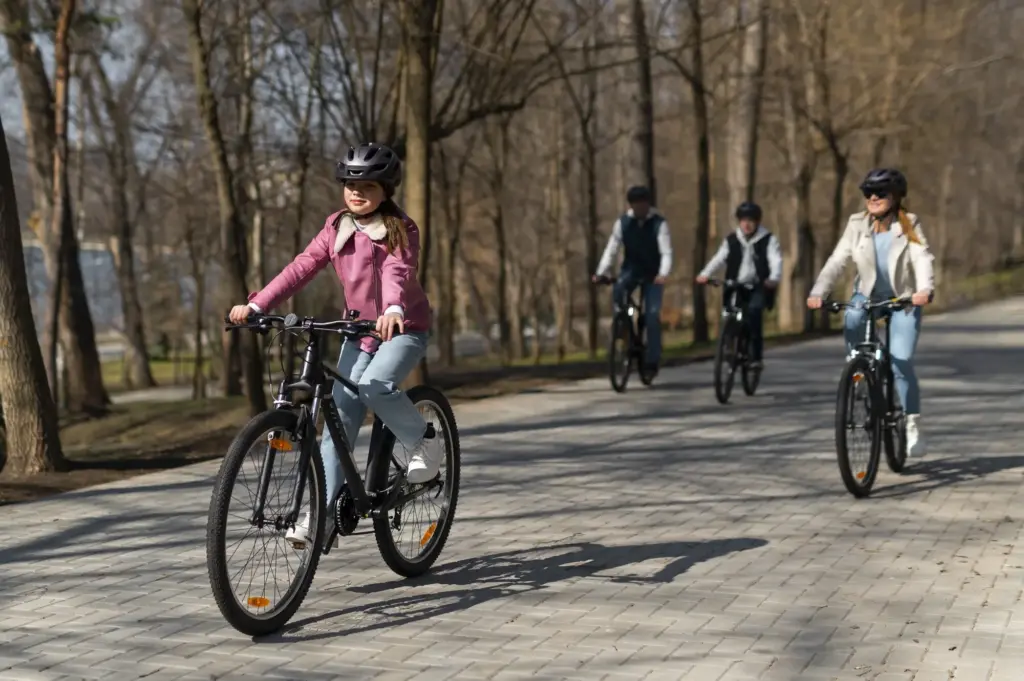
Cycling Brighton’s front links distant vantage points before the tide turns, letting you pivot from Hove’s groynes to the Marina’s breakwaters in minutes. Use the promenade cycle routes and shared paths courteously, slowing for crowds and dismounting where signed. Coastal wind can be fierce; pack layers and secure your camera bag low for stability. Sand drifts and wet patches appear unpredictably, so brake early. Bring lights, a bell, and two locks, then photograph without worrying about your parked ride.

Guiding Lines in Chalk and Timber

Seek ridges that point toward landmarks, then fine-tune by nudging your stance centimeters at a time. Timber groynes create repeating intervals that pair well with long exposures, translating chop into silk between strong posts. Lean in to texture when waves are messy by raising shutter speed, or lean out with neutral-density filters to paint motion. A hint of sky reflection inside rock pools can frame the scene like a secret portal into calmer weather.

The West Pier Skeleton as Graphic Poetry

Photograph the iron lattice at different tides for shifting silhouettes and reflective margins. Birds often perch along the structure, contributing living punctuation that rewards patience. Side-light strengthens rust patterns; backlight abstracts the shape into filigree. Try tight crops for graphic emphasis, then step back to layer pebbles, pools, and distant sailboats. Beware incoming water sneaking behind you along channels; keep checking escape routes while focusing on each meditative, long-exposure sequence.

Minimal Shores and Human Scale

Use solitary cyclists, anglers, or a parked bicycle to provide scale against expansive negative space. A wide lens pulls horizon and patterns into a clean stage, while a telephoto compresses pier pylons into rhythm. Shoot series with identical framing and changing human gestures, then sequence images into a gently unfolding story. Neutral color palettes suit quiet moods; a single bright jacket or bike light can anchor attention ethically, without intruding on private moments.

Travel‑Light Gear and Confident Settings

Pack for agility: you’ll chase fast-changing light and a narrow tide window. A compact tripod or ground pod, polarizer, and a small ND set extend creative options, while microfiber cloths, lens wipes, and a dry bag protect essentials. Prioritize a lightweight body, one versatile zoom, and perhaps a prime for dusk. Meter carefully over reflective water, bracket for highlights, and shoot RAW for latitude. Keep gloves, a headlamp, and snacks handy so decisions stay crisp.

A Pack That Rides Well

Balance weight low in panniers or a snug backpack, adding an internal dry sack for spray. A travel tripod with spiked or grippy feet bites into pebbles. Consider a clamp or mini-ball head for railings when tripods feel obstructive. Keep cloths in an accessible pocket, plus silica gel to fight condensation. Stash an extra baseplate, spare batteries warmed in an inner layer, and a compact rain cover that doubles as a ground mat.

Exposure Playbook for Moving Water

For silky water while keeping texture, start around one half to one second. Lean into ethereal motion at ten to sixty seconds with a three- to six-stop ND. Use f/8 to f/11 for crisp across-frame detail, ISO at base, and manual focus on a mid-distance ridge. Bracket two-thirds stops around the meter reading, and try a polarizer twist mid-sequence for controlled glare variations that later assemble into expressive, nuanced edits.

Care for Metal, Glass, and Chain

Salt is relentless. Wipe gear often, then rinse tripod legs and clamps with fresh water at day’s end. Clean filters, check gaskets, and dry thoroughly before sealing bags. For the bike, brush pebbly grit from drivetrain, relubricate the chain, and verify brakes after sandy patches. Store everything with airflow and silica packets, and gently recondition leather straps or bar tape. Regular attention keeps creativity high and corrosion, sticking locks, and fogged optics far away.

People, Wildlife, and Place with Respect

Brighton’s shore is alive with gulls, turnstones, dog walkers, anglers, and families. Work with empathy: give space on shared paths, mind privacy, and celebrate everyday rituals without staging. In rock pools, step lightly and never disturb anemones or crabs. Pack out litter and avoid blocking ramps or lifeboat access. If someone appears in focus, a friendly nod or conversation often deepens the image’s humanity. Your presence should leave the coastline exactly as you found it.

01

Rock Pool Life: Tiny Worlds Under Big Skies

Crouch to discover miniature forests of seaweed and delicate anemones that pulse with color. Photograph reflections and textures rather than touching creatures, and watch your shadow to avoid accidental warming or stress. A macro or close-up attachment reveals bubbles, shell spirals, and wave-made calligraphy in sand. Compose with care so your feet never trap wildlife against a ridge, and time exits well before channels refill, keeping sensitive habitats safe from hurried retreats.

02

Candid Energy on Brighton’s Front

Deckchairs, buskers, skaters, and laughing friends animate the promenade. Work wide to include environment, or compress moments near the pier for layered energy. Public spaces generally permit photography, yet courtesy builds trust: share a smile, show a back-of-camera preview when appropriate, and step aside quickly. Avoid blocking paths with tripods during peak times. Frame gestures that honor joy rather than pry, and let ambient sounds guide pacing for sequences that feel truthful and kind.

03

Dawn Kindness and Shared Shores

Early riders, anglers, and dog walkers all invest in the morning calm. Use a soft voice, dim your headlamp when passing, and silence focus beeps. Offer space at popular ledges, then trade knowledge about tide quirks or last night’s swell. Respect signage and local bylaws on cycling and access, especially when conditions deteriorate. Gratitude opens doors: a friendly chat once led me to a hidden puddle mirror that outshone the sunrise I originally chased.

A Full‑Day Itinerary You Can Pedal and Photograph
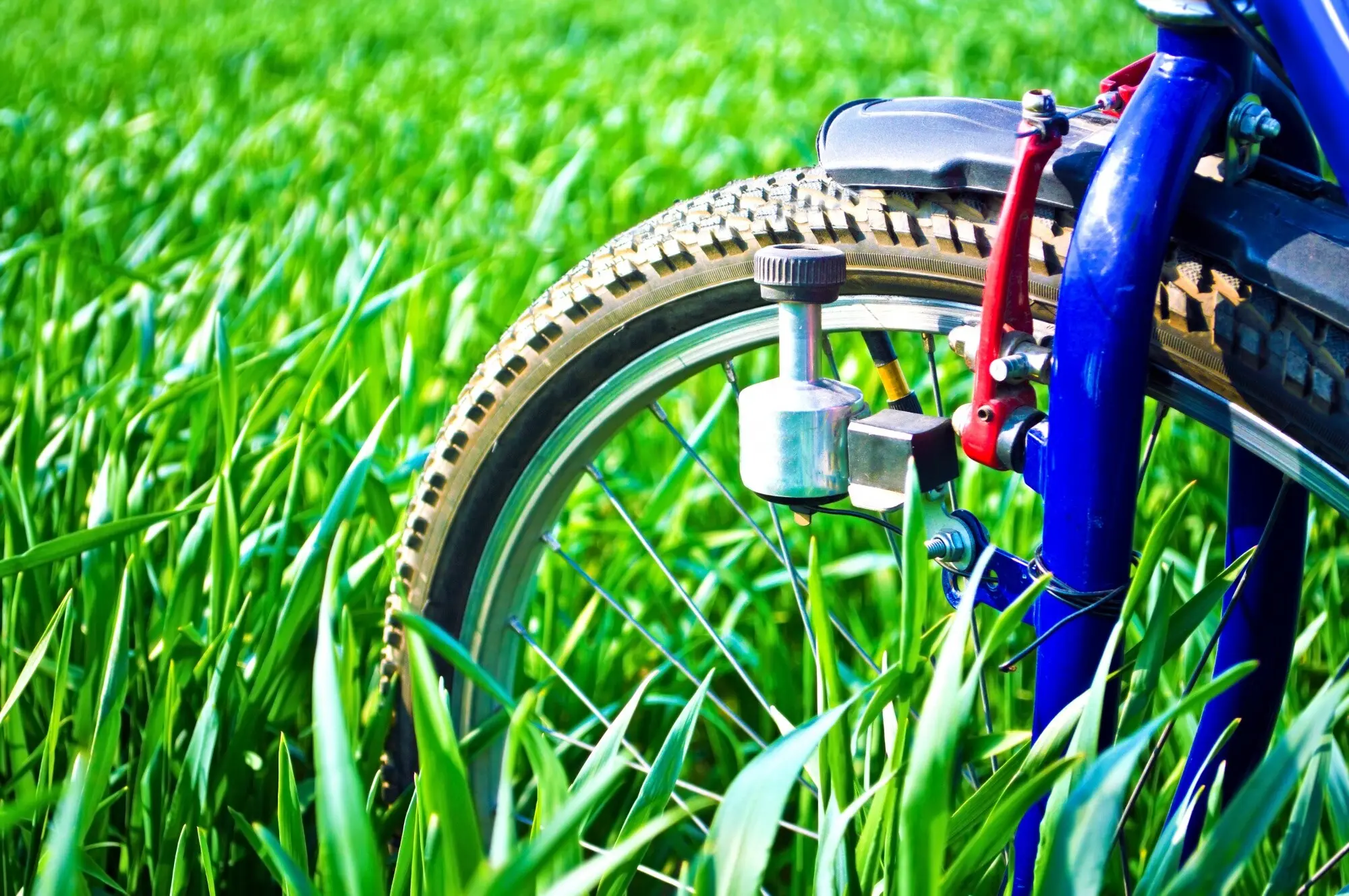
Build around the day’s lowest tide, then map a loop that embraces pre-dawn calm, tide-revealed geometry, and evening color. Start with silhouettes and long exposures near the West Pier, ride east as pools appear, break for recharge at the Marina, then continue under the cliffs toward Rottingdean. Return for sunset and blue hour around the piers, lights sparkling on gentle water. Share your favorite frames and route tweaks in the comments, and subscribe for fresh ride-ready ideas.
Rinodexoxarizavoloronexo
Privacy Overview

This website uses cookies so that we can provide you with the best user experience possible. Cookie information is stored in your browser and performs functions such as recognising you when you return to our website and helping our team to understand which sections of the website you find most interesting and useful.